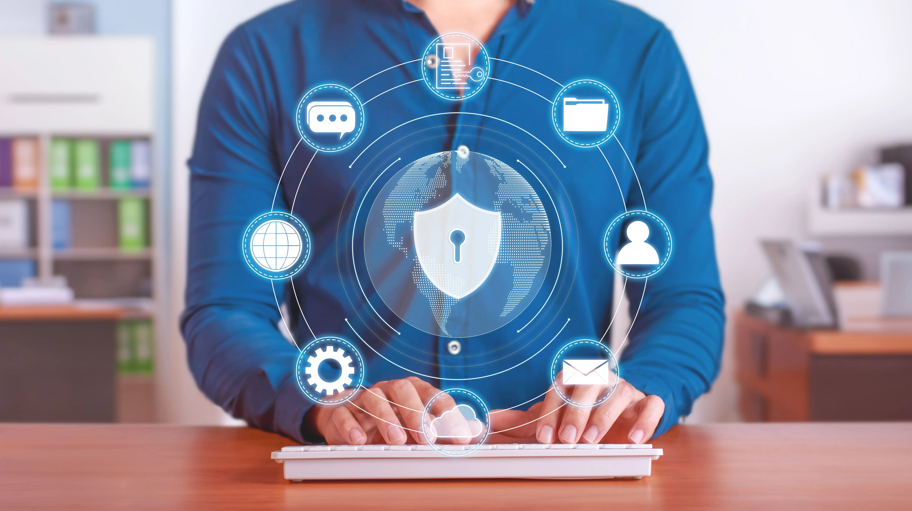

Cybersecurity frames what matters for data protection: confidentiality, integrity, and availability. It defines ownership, risk, and decision rights to sustain autonomy and trust. Encryption guards data in transit and at rest, with robust key management. Identity and access controls enforce verified identities and least privilege, often with multi-factor authentication. Continuous monitoring and rapid response detect anomalies early and limit damage, but gaps remain. Understanding the framework invites next steps for stronger defenses and practical implementation.
What Cybersecurity Protects and Why It Matters
Cybersecurity protects the confidentiality, integrity, and availability of data by preventing unauthorized access, tampering, and disruption.
The framework clarifies what is protected and why it matters: sustaining autonomy, trust, and operational continuity.
Data ownership guides responsibility, while risk assessment prioritizes controls.
A disciplined approach aligns incentives, reduces exposure, and enables informed decision-making for stakeholders who demand freedom with accountability.
How Encryption Keeps Data Safe in Transit and at Rest
Encryption safeguards data by rendering information unreadable to unauthorized entities both in transit and at rest. It enforces privacy while preserving accessibility for legitimate users, enabling trusted communication and storage. Strong algorithms, transparent key management, and clear data sovereignty considerations ensure compliant control over who can decrypt. Robust encryption fortifies resilience, guiding strategic risk management and safeguarding organizational autonomy.
See also: How CRM Technology Helps Businesses Grow
Why Multi-Factor Authentication and Access Controls Matter
Multi-factor authentication and robust access controls are essential pillars of secure operations, reducing the risk of credential theft and unauthorized data exposure. They defend against privacy breaches and insider threats by limiting access to sensitive systems, enforcing least privilege, and requiring verified identities. In turn, organizations gain predictable security outcomes, enabling teams to pursue strategic goals with greater freedom and confidence.
How Monitoring, Detection, and Response Reduce Real-World Risk
Monitoring, detection, and response mechanisms translate policy and controls into rapid, real-world action. They enable continuous monitoring effectiveness, revealing anomalies before harm spreads. Timely detection curtails exposure, while structured incident response benefits minimize downtime, preserve data integrity, and sustain stakeholder trust. A disciplined cycle accelerates containment, eradication, and recovery, translating strategic governance into actionable resilience for freedom-loving organizations.
Frequently Asked Questions
How Do Passwords Differ From Passkeys and Which Is Better?
Passkeys differ from passwords by using cryptographic public-key authentication, eliminating shared secrets. Passkey differences favor phishing resistance and seamless sign-in; passwords rely on memorized strings. A strategic choice favors passkeys for freedom and stronger security through password management.
Can Cybersecurity Slow Down My Daily Device Use?
Yes, cybersecurity can slow daily device use at times, though strategically minimized. Imagery: a quiet guard at the gate, watching latency impact while background processes swell, then rebalanced. It preserves freedom by prioritizing essential tasks and efficiency.
What Happens When a Data Breach Occurs to Me Personally?
A data breach personally exposes vulnerabilities: financial loss, identity theft, and reputational damage. Data breach consequences include compromised personal data exposure, requiring credit freezes and monitoring. The individual must act strategically, seek rapid remediation, and protect ongoing digital freedom.
Do I Need Antivirus Software on All Devices?
Yes, it is advisable; antivirus software is valuable for multiple devices. The strategy addresses device coverage, debunking antivirus myths while ensuring protective layers across platforms, empowering individuals who value freedom to minimize risk without overreliance on a single solution.
How Do Cyber Offenses Target Personal Social Media?
The answer: About 60% of breaches originate from social media vectors, where privacy scams and phishing social media tricks exploit trust. Offenders target personal accounts, spreading malware and deceptive links to capture credentials and mine networks.
Conclusion
In truth, cybersecurity is less a myth of perfect shields than a disciplined sequence of practical safeguards. The theory—that data remains safe by magic—collides with reality: threats evolve, but so do defenses. Encryption locks data, MFA hardens access, and continuous monitoring reveals intrusions early. Together with clear governance and rapid response, these controls turn risk into managed exposure. The conclusion is straightforward: consistent, strategic implementation, not fantasies of invulnerability, preserves trust and resilience.
